When the Sky Falls: A Guide to Emergency Roof Repair
When the Sky Falls: A Guide to Emergency Roof Repair
It starts with a drip. Then a trickle. Then the ceiling stain spreads like a map of a place you never wanted to visit. For most homeowners, the first sign of a roof leak arrives with little warning. Maybe a tree limb came down in a thunderstorm. Maybe a patch of old shingles just gave up after years of Georgia heat. Whatever the cause, the moment you see water inside your home, you are looking at a problem that demands fast action. That is where emergency roof repair comes in.
I have worked on roofs for the better part of two decades, and I have seen the difference between a quick response and a delayed one. A leak ignored for even a few hours can turn a manageable fix into a full-scale interior renovation. But not all emergencies are the same, and not every situation calls for the same approach. Knowing what to do when the sky opens up can save you money, stress, and a lot of drywall.
What Makes a Roof Emergency?
Not every leak is an emergency. A slow drip over a trash can might be something you can patch on a dry afternoon. But some situations demand immediate attention. If you see water pouring into your home, if the ceiling is sagging, or if there is visible daylight through the roof deck, you are past the point of waiting. Emergency roof repair means stopping active water intrusion before it causes structural damage, electrical hazards, or mold growth.
The most common triggers I see are storm damage, fallen trees, and sudden material failure. In Dacula, we get our share of severe weather. High winds can lift shingles, hail can fracture tiles, and heavy rain can overwhelm old flashing. A single missing shingle might not seem like a big deal, but it can let in gallons of water in an hour. That is why a professional response matters. A good roofer does not just slap on a patch. They assess the full scope of the damage and make sure the repair holds until a permanent fix can be done.
First Steps When Water Hits the Floor
Before you call anyone, there are a few things you can do to limit damage. First, move furniture and valuables out of the way. Place buckets or pans under active drips, but do not put them where they could tip over. If the ceiling is bulging with water weight, poke a small hole at the lowest point with a screwdriver. Let the water drain into a bucket. This sounds counterintuitive, but a controlled drain is better than a ceiling collapse. Wear safety glasses and gloves. Water can carry debris and bacteria, especially if it has been sitting in the attic.

Once you have contained the immediate problem, get outside if it is safe. Look at the roof from the ground. Are there missing shingles? Is the flashing pulled away from a chimney or vent? Do you see a branch lodged against the roof? These clues tell the roofer where to start. Do not climb onto a wet or damaged roof. That is how serious injuries happen. Leave the climbing to someone who carries the right insurance and knows how to walk a slippery slope.
Calling for Help: What to Expect
When you call for emergency roof repair, the first thing a good contractor will ask is whether the leak is active. If it is still raining, they will likely do a temporary fix to stop the water. That might mean tarping the affected area, sealing a flashing joint, or replacing a single shingle. The goal is to make the roof watertight as quickly as possible. A permanent repair usually waits for dry weather, because most roofing materials require a clean, dry surface to bond properly.
Be ready to describe what you see. A roofer who understands the layout of your roof can give you a better estimate over the phone. If you have access to your attic, look for stains, wet insulation, or daylight. That can pinpoint the leak location even if the interior ceiling shows no damage yet. A professional will also check for hidden damage. A small leak can rot decking, soak insulation, and compromise rafters over time. That is why a thorough inspection matters even after the immediate fix is done.
Temporary vs. Permanent Repairs
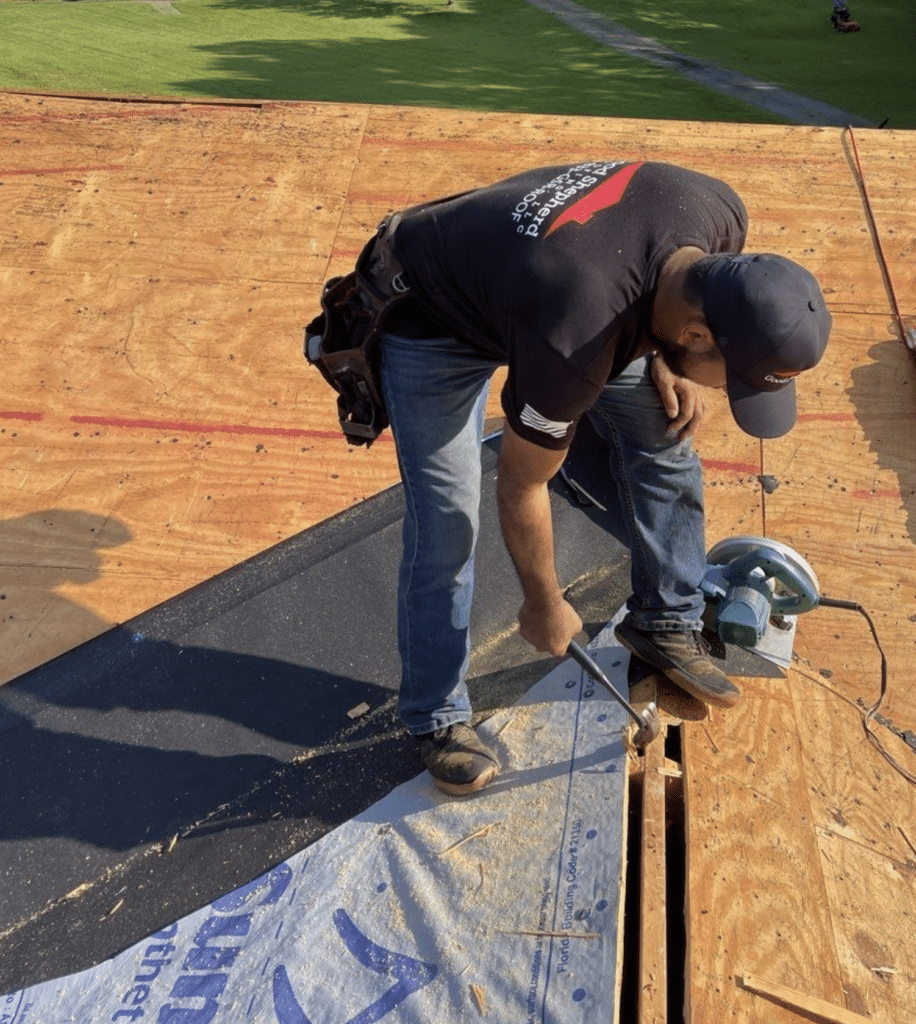
One of the hardest things for homeowners to understand is that emergency roof repair is often temporary by design. A roofer in the middle of a storm cannot replace a whole section of shingles. They can lay a heavy-duty tarp, nail it down, and seal the edges. That tarp might last a few days or a few weeks, depending on weather and wind. During that window, you work with the contractor to schedule a permanent repair. Do not assume the tarp is a permanent solution. Tarps degrade in sunlight and can tear in high winds. They are a stopgap, not a finish.
Connect with us on YouTube.
Some homeowners try to skip the professional part and just buy a tube of caulk from the hardware store. I understand the impulse. But roof leaks are rarely as simple as a crack in the sealant. Water travels. It can run along a rafter for feet before it drips. A patch in one spot might miss the real entry point. A roofer uses diagnostic tools like moisture meters and infrared cameras to find the actual source. That kind of precision is hard to match with a ladder and a caulk gun.
What Emergency Roof Repair Costs
Pricing for urgent work is different from scheduled repairs. A roofer who drops everything to respond to a Saturday night leak will charge a premium. That is fair. Emergency calls involve overtime, rush material orders, and the risk of working in bad weather. Expect to pay more per hour or per square foot than you would for a planned job. But the cost of doing nothing is almost always higher. Water damage to drywall, flooring, and electrical systems can run into thousands of dollars. A single night of neglect can multiply the repair bill by five or ten times.
Most reputable roofers will give you a written estimate before starting work, even in an emergency. If they cannot, ask for a ballpark range over the phone. Be wary of anyone who demands cash upfront or refuses to provide a receipt. In a crisis, it is easy to make a bad decision. Take a breath. Get two quotes if you can. Your roof will survive another hour under a bucket while you make a smart call.
Preventing the Next Emergency
Once the immediate crisis is over, think about prevention. The best emergency is the one that never happens. Regular maintenance can catch small problems before they become big ones. Inspect your roof twice a year, once in spring and once in fall. Look for curled or cracked shingles, rusted flashing, and debris in valleys and gutters. Trim overhanging branches that could scrape the roof surface or drop heavy limbs in a storm. Replace worn sealant around vents and pipes. These simple steps reduce the odds of a surprise leak.
If your roof is older than 15 years, consider a professional inspection. A roofer can spot issues you might miss, such as granule loss on asphalt shingles or corrosion on metal panels. They can also tell you whether your roof has reached the end of its service life. Sometimes a full replacement is more cost-effective than repeated emergency repairs. That decision depends on the roof type, your budget, and how long you plan to stay in the home.
Insurance and Documentation
After an emergency roof repair, document everything. Take photos of the damage inside and out. Keep receipts and invoices. If the leak was caused by a storm, your homeowner's insurance may cover the repair, minus your deductible. Most policies cover sudden, accidental damage from weather, but they do not cover wear and tear or lack of maintenance. A clear paper trail helps your claim move faster.
Some roofing companies work directly with insurance adjusters. That can simplify the process. The roofer inspects the damage, provides a detailed scope of work, and submits it to the insurance company. The adjuster approves the repairs, and the roofer does the work. You pay your deductible, and the insurance covers the rest. This arrangement works best when the roofer has experience with insurance claims. They know how to write a scope that covers all the necessary work, including hidden damage that might not be visible during the first visit.
If you ever find yourself in need of emergency roof repair, know that a quick, smart response makes all the difference. Call a professional, contain the damage, and focus on getting the roof watertight first. Worry about the rest later.
Good Shepherd Roofing, located at 2505 2nd Ave, Dacula, GA 30019, USA, and reachable at +1 833-477-7663, provides roof repair, replacement, gutters, and insurance claim support for homeowners in the Dacula area. If you face a roofing emergency, they are a local resource that knows how to handle the situation from first call to final fix.